
All good things must come to an end: meaning, origin and last nights
"All good things must come to an end" means that every good time finishes at some point, however much you enjoy it, so it's worth enjoying while it lasts and letting it go without a fuss when it's over. People usually say it with a smile and a small sigh, at the end of a holiday, a great evening or a long weekend away.
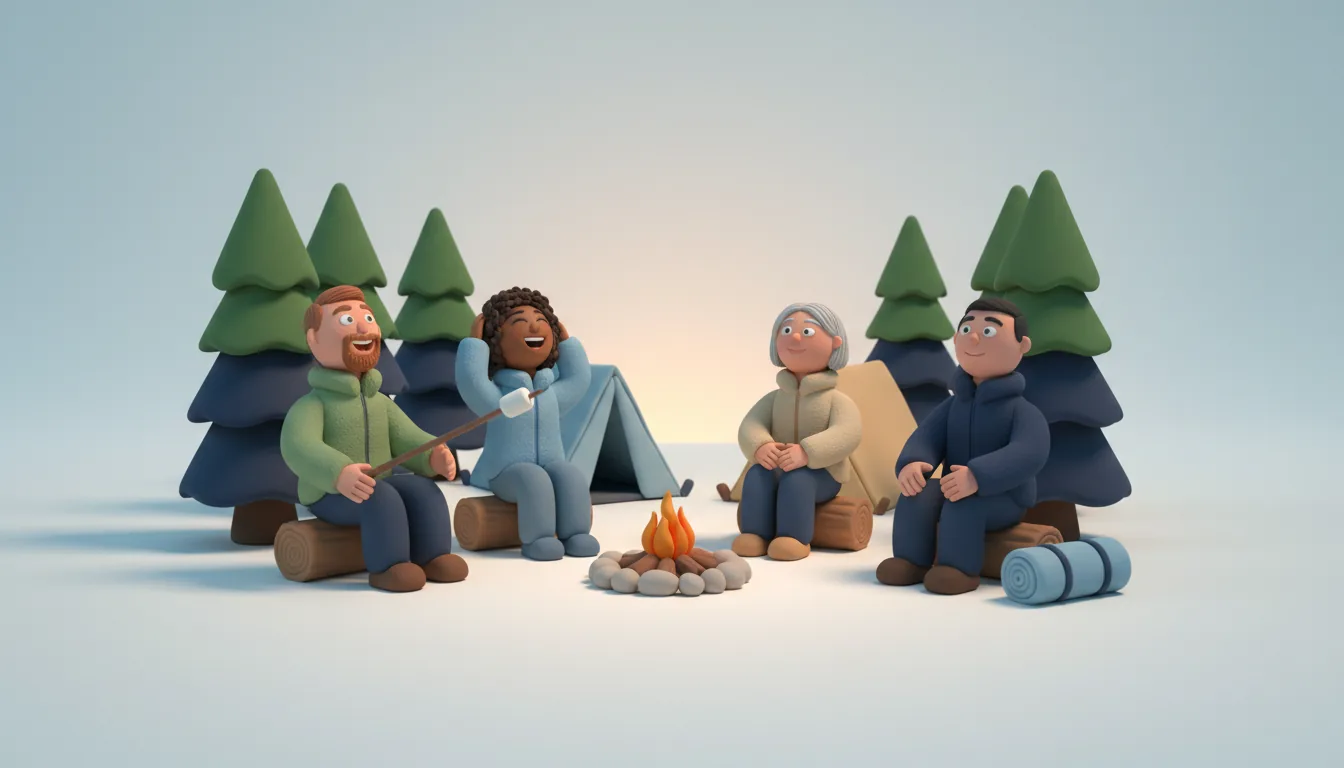
An example: June said it on the last night of a five-day camping trip with her three oldest friends. The fire was down to a glow, the sky between the pines had turned orange, and Theo had already rolled up his sleeping bag and set it beside his log, ready for the morning. He looked perfectly happy about it. Callum was not. He pushed another marshmallow onto his stick and announced that nobody was going to bed before midnight. Nadia was laughing too hard to speak and had both hands on her head. June leaned back, wrapped her arms around her knees and said, "All good things must come to an end." Callum said, "Not tonight they don't," and held his marshmallow over the fire.
From Chaucer's supper table to today
The idea is very old, and one early version in English comes from Geoffrey Chaucer. In his long poem Troilus and Criseyde, written in the 1380s, Criseyde enjoys a happy supper with songs and stories, and then the evening has to finish: "But at the laste, as every thing hath ende, / She took hir leve." In modern English, that is roughly "but in the end, as everything has an end, she said goodbye." The modern saying, with "good" in it, came later and is about the pleasant times in particular.
It's a close cousin of this too shall pass, which covers the hard weeks as well as the good ones. "All good things" is only ever about the good part, and it's usually said gently. For what comes after an ending, there's when one door closes, another opens.
Everyday endings the saying fits
People often reach for it in ordinary moments, the small goodbyes that happen every few months. None of them is a tragedy, which is exactly why the light tone of the saying suits them.
The last day of a holiday
You pack the bag, take one more look at the view and eat breakfast slowly because it's the last one. Someone often suggests one last swim or one last walk down to the water. The saying gives the small sadness a name and makes it easier to laugh at.
A great evening with friends
The kind of night where nobody checks the time, until somebody does. At midnight, someone stands up, stretches and says it, and everyone knows the evening is over, even if it takes another half hour of goodbyes at the door.
A friend moving away
When a close friend moves to another city, the regular coffees and spontaneous visits end, even if the friendship doesn't. A going away party lets everyone mark the change together. After that, the habits from a long distance friendship keep you close from far away.
A season of life, like your first apartment
Think of the apartment you shared with friends in your twenties, with the broken heater and the long kitchen talks. One day the lease ends, people move in with partners or move to new towns, and that season closes. Saying "all good things must come to an end" on the last night in the empty kitchen is a way of honoring how good it was.
Why some people stretch the moment and others pack early
Around any campfire you'll find both kinds. Some people hold on to a good time until the very last spark, and others feel content to leave while it's still good. Your personality type has a say in which way you lean. Seven of the 16 types:
- Ideator: always has one more idea for the evening. Another game, another story, another round of marshmallows, and suddenly it's two in the morning.
- Analyst: decides when it's time to go and goes. They enjoyed it, and they don't see why a good evening has to be dragged out.
- Commander: enjoys the moment at full volume and then ends it clearly. They're often the one who says "right, that's it" and starts putting out the fire.
- Strategist: sees the end coming before anyone else does. They like to leave at the right moment, quietly, while the mood is still good.
- Entrepreneur: is already thinking about tomorrow's drive. Packing early is how they make sure the morning goes smoothly, and it doesn't spoil the evening for them.
- Counselor: feels endings more than most and likes a slow, gentle goodbye. A few quiet words before everyone goes mean a lot to them.
- Encourager: hates to see the group split up and is already planning the next trip before this one is over.
Neither kind is doing it wrong. The stretcher keeps the fun going, and the closer makes sure it ends while everyone is still smiling.
How to enjoy the last part of something good
Knowing a good time will end can make you sad early. A few small habits help you enjoy it instead:
- Notice that it's the last. Saying "this is our last night here" out loud makes people slow down and look around.
- Take one photo, then put the phone away. One picture keeps the memory, and the rest of the evening is for being there.
- Say what you loved. Ask everyone for their favorite moment of the trip. It turns the ending into a little celebration.
- Plan one small thing for after. A date for the next dinner gives the goodbye something to point to.
- Leave while it's still good. Going while everyone is still laughing often beats staying until everyone is yawning.
Shorter and jokier versions
People often shorten it to "all good things come to an end", or drop a word and say "all good things must come to end". "Nothing lasts forever" and "every good thing has an end" carry the same thought. There's also a joking flip, "all bad things must come to an end", for the end of a long, rainy week or a very slow line.
See how you and your friends take an ending
Some people pack up cheerfully at the end of a good trip, and others want one more day, and type explains part of that. The friendship compatibility test costs nothing. Your result has a link you can pass to the friends you travel with. As each of them is done, you see the relationship type you share with that friend, one of 16.
Questions people ask
What does "all good things must come to an end" mean?
Nothing good lasts forever, so enjoy it while it lasts.
Who said "all good things must come to an end"?
No single person. One early English version of the idea is in Geoffrey Chaucer's Troilus and Criseyde: "as every thing hath ende." The modern wording came later.
Why do all good things come to an end?
Because time moves on: holidays run out, friends move, apartments get handed back. Part of what makes a good time good is that it doesn't last forever.
Is "all good things must come to an end" a sad saying?
Not really. It has a little sadness in it, but people mostly say it warmly, to mark that something was good. It's closer to "that was lovely" than to a complaint.
How do you respond when someone says it?
Agree, and name the best part: "True. That swim on the first day was my favorite." Or make a plan to do it again.
What does "too much of a good thing" mean?
It means even something you love can stop being fun if you have too much of it, like a holiday that runs a week too long. It sits close to "all good things must come to an end," because a good time often ends at the right moment.
What does "the end of an era" mean?
People say it when something that lasted for years is over, like moving out of a first apartment or a favorite café closing its doors. It's usually said with a smile and a little sadness at the same time.
Sources
- Geoffrey Chaucer, Troilus and Criseyde (Project Gutenberg), Book III, lines 610 to 616. The supper, the songs and tales, and "But at the laste, as every thing hath ende, / She took hir leve."
- Wiktionary, "all good things come to an end". The meaning, "nothing good lasts forever," and the "must" form.
Written by Virko Kask, founder of Typeza
Written with the help of AI tools.
One question for two, every week
A question to ask your partner, friend or family, and how different types tend to answer it.
Free. Unsubscribe any time.