
Ambivert: what it means, the signs, and why you still lean one way
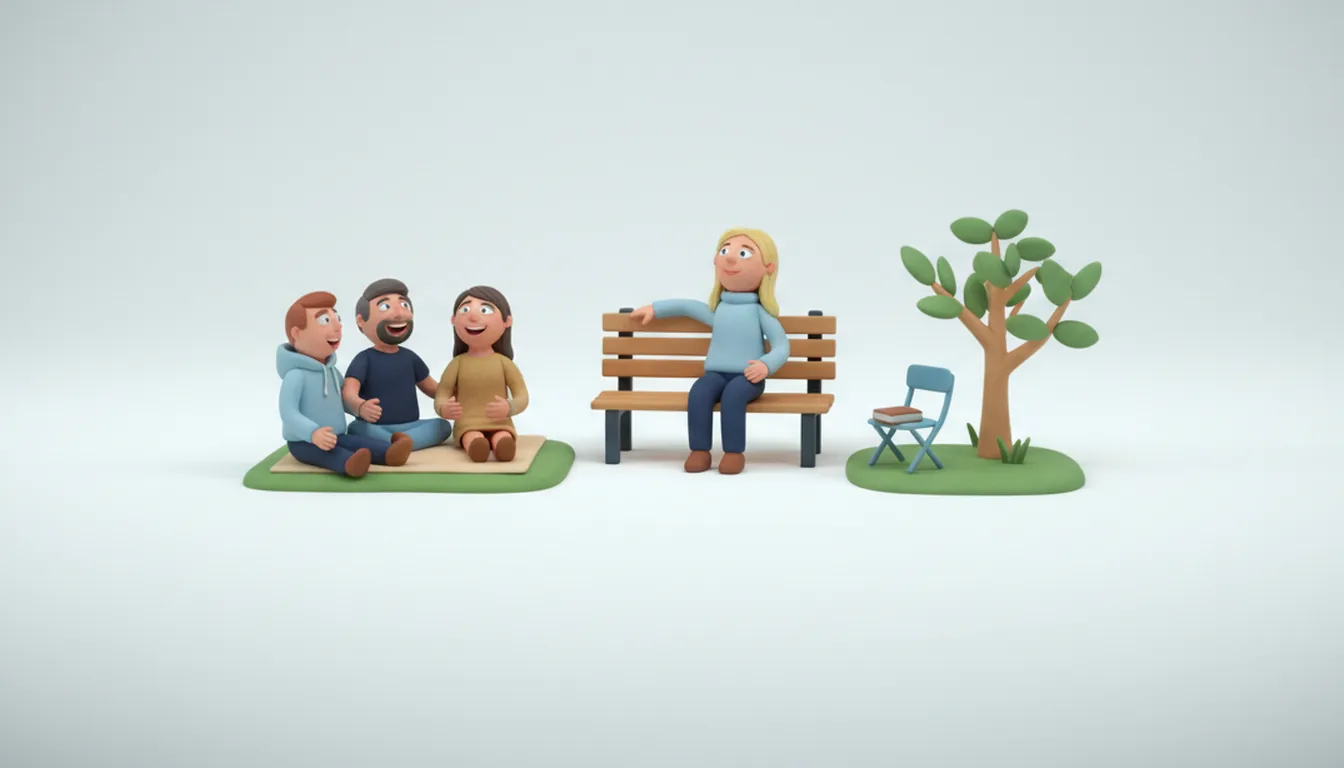
An ambivert is someone who sits between introvert and extrovert. They enjoy people and they enjoy time alone, and they can act either way depending on the day, the place and the company. Many people who feel like ambiverts still lean a little to one side.
An example: Nadia calls herself an introvert. Then she goes to a friend's housewarming, talks for four hours and is the last one to leave. The next weekend she turns down every plan and spends two days at home with a book, perfectly happy. Her friends are confused. One of them sends her a quiz, and the result says she is an ambivert.
What is an ambivert?
An ambivert is a person whose energy and habits fall near the middle of the introvert and extrovert scale. The word dates from the late 1920s, and "ambi" means both, as in ambidextrous. An ambivert can be the one who starts conversations at a party and also the one who needs a quiet evening afterward.
The noun is ambiversion. People use the word for a mix of habits:
- They enjoy social time, up to a point.
- They like time alone, and get restless if it lasts too long.
- They talk easily with friends and stay quiet with strangers, or the other way around.
Signs you might be an ambivert
- You can enjoy a party and still be glad when it ends.
- Some days you want company, and other days you want nobody.
- You talk a lot with people you know and very little with people you do not.
- Friends from work and friends from home describe you in opposite ways.
- You can work in a busy room, but you do your best thinking alone.
- Long stretches of either one, people or quiet, leave you tired.
- Introvert quizzes and extrovert quizzes both seem to describe you.
Introvert vs extrovert vs ambivert
An introvert directs attention inward, toward thoughts, meanings and the links between things. Too much contact with people uses up their energy, and they recharge alone.
An extrovert directs attention outward, toward people, objects and events. A long time alone drains them, and contact with others brings their energy back.
Ambivert is the word people use when neither description fits cleanly. Am I an introvert or extrovert? covers the two sides in more detail.
What is an extroverted introvert?
An extroverted introvert, also called an outgoing introvert, is an introvert who is warm and social. They like people, host dinners and can be the life of a small party. What gives them away is the recovery. After a full day with people they want a quiet evening to come back to themselves, and they are picky about whose company fills their free hours.
An introverted extrovert is the opposite case. They seem reserved, keep to the side in a big group and may say little to strangers. Yet a long day alone wears them down, and they feel better once people are around them, even when they are not talking.
Both labels describe what ambivert describes: a person whose behavior does not match the usual picture of their side.
Ambivert vs omnivert: what is the difference?
An omnivert is a newer label. It describes someone who swings between the two ends: very outgoing for a stretch, then very withdrawn, often depending on mood or the people around them. An ambivert is steadier. They sit near the middle most of the time and adjust a little to the situation.
Neither word names a personality type. Both are everyday labels for how a person comes across.
Can an ambivert be both an introvert and an extrovert?
In Typeza's view, no. Extraversion and introversion are one of the four base traits that make up a personality type, and everyone leans one way, even when the lean is small. The ones whose lean is slight are often the people who say they are ambiverts.
What makes it confusing is that behavior changes far more than the lean underneath. You can be chatty at work and quiet at home. You can learn to host a party, give a talk or make small talk with strangers. These are skills, and anyone can build them. Some people also keep up a personality mask for years and act louder or quieter than they really are, because their job or their family seems to want it.
Your lean shows in the thing that recharges you when you are spent. That stays the same, whatever you do during the day.
Why do so many people feel like ambiverts?
Few people fit the cartoon versions of an introvert or an extrovert, the shy one in the corner and the loud one dancing on the table. Three things blur the picture.
- Skills. Years of school, work and family life teach introverts to be social and extroverts to sit still.
- Company. Almost everyone is more open with close friends than with strangers.
- The other three traits. Your type has three more base traits, and they change how your energy looks from the outside.
The third one explains a lot. Take the Harmonizer, an introverted type in Typeza. Harmonizers are warm, good listeners who make guests feel at home, and people can take them for extroverts. The Organizer is the reverse: an extroverted type whose attention goes to what needs doing. At a party they may be in the kitchen fixing the tap while everyone else makes small talk, and people take them for introverts. The Counselor, another warm introvert, can be mistaken for an extrovert too.
So an ambivert is often an introvert who is warm or an extrovert who is busy. The label describes how they come across. It does not tell them which way they lean.
How do you know if you are an ambivert, an introvert or an extrovert?
Look past what you do and ask what you need. These questions help.
- After a long day with people, do you want a quiet room or another round of company?
- After a weekend alone, do you feel rested or restless?
- When you have a problem, do you think it through first and then talk, or talk it out to find the answer?
- When you walk into a new place, do you notice the people and things first, or the mood and what it all means?
- When plans get canceled, are you a little relieved or a little let down?
If your answers split, think about the times you were most worn out. What you reached for then is your lean. The extraversion and introversion guide shows what each side looks like in daily life.
How to see which way you lean
Feeling like both is common, and the free personality test still finds the side you lean toward, even when the lean is small. When the lean is slight, your result says so and also names the type on the other side of it, so you can compare the two and keep the one that sounds like you. If a partner or friend keeps calling you an introvert or an extrovert, the link on your result lets them take the same test, and then you see the relationship type the two of you make.
Questions people ask
What is an ambivert?
A person who sits between introvert and extrovert. They enjoy both company and time alone and can act either way depending on the situation.
Am I an ambivert?
If you enjoy people up to a point, enjoy time alone up to a point and fit neither description well, you may feel like one. A good clue is what you reach for when you are drained: a friend's company or a closed door.
Is ambivert a personality type?
No. It is an everyday word for people near the middle of one trait. In Typeza, everyone leans either toward extraversion or toward introversion, and that lean is one part of a full type.
Are ambiverts rare?
Nobody has an exact count. Many people feel the word fits them, because most of us are less extreme than the cartoon introvert or extrovert. What is rare is a person with no lean at all.
Is being an ambivert good?
It is neither good nor bad. People near the middle can settle into new company easily, and they can enjoy a busy week and a quiet one. The same goes for anyone who knows which way they lean and plans their week around it.
What is the difference between an ambivert and an omnivert?
An ambivert stays near the middle most of the time. An omnivert swings between very outgoing and very withdrawn.
What is a social introvert?
A social introvert is an introvert who likes people and goes out often, but in small doses and mostly with people they know well. They may love a dinner for four close friends and still leave a big party early. It is close to the extroverted introvert above, and the clue is the same: after time with people, they need a quiet stretch to recharge.
How do you pronounce ambivert?
AM-bih-vurt, with the stress on the first part.
Sources
- Dictionary.com, "ambivert". The meaning, the pronunciation, ambiversion, and the first record in 1925 to 1930.
- Wiktionary, "omnivert". A person who fits both ends of the scale, a much newer word.
Written by Virko Kask, founder of Typeza
Written with the help of AI tools.
One question for two, every week
A question to ask your partner, friend or family, and how different types tend to answer it.
Free. Unsubscribe any time.