
Calm person: what makes someone calm, and how to be a calming presence
A calm person stays steady when things go wrong. They react slowly, speak evenly and look for the next useful step, and the people around them tend to settle down too. Calm is part temperament and part habit, which means you can grow a little more of it.
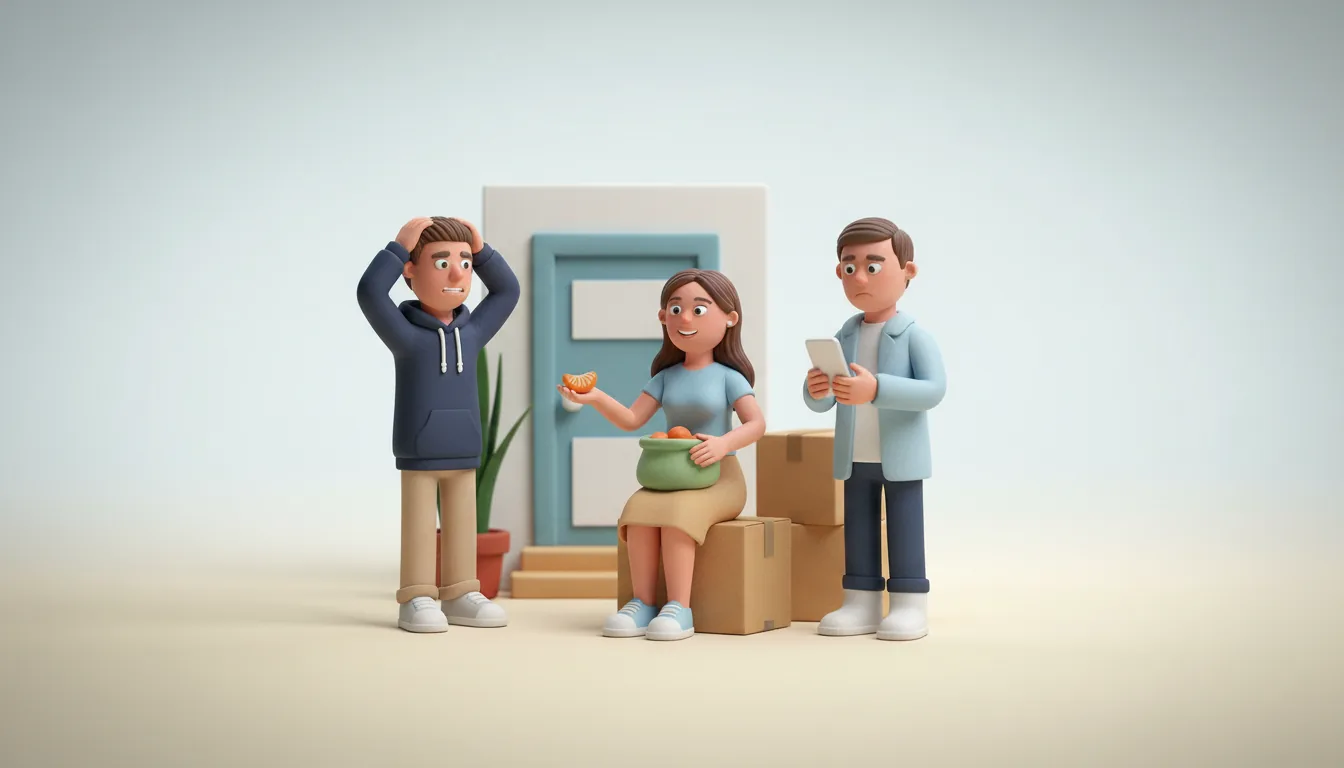
An example: Kai's moving day went wrong early. The van was two hours late, the elevator in his new building was broken, and his brother Max was already arguing with a parking app on the sidewalk. Kai stood among the boxes with his hands on his head. Then June, a friend who had come to help carry things, sat down on a box marked "kitchen," opened a bag of oranges and said, "Okay. What can we carry up first?" Twenty minutes later the lamps and the plants were upstairs, Max was laughing, and the van came around the corner. Nobody remembered June saying much. Everyone remembered that the day got better once she sat down.
What it means to be a calm person
A calm person isn't someone who feels nothing. June was annoyed about the van too. The difference is that the first wave of feeling doesn't take over. Calm people notice the frustration, let it pass for a moment and then decide what to do.
People describe them with words like level-headed, even-tempered, composed, easygoing and unflappable. In practice, a calm person is the friend you call when the flight is canceled, the sibling who drives to the hospital without speeding, and the partner who can say "We'll figure it out" and make you believe it.
Calm, quiet and cool are three different things
It's easy to mix these up. A quiet person may say very little and still be churning inside, while a talkative person can be calm all the way through. June chatted the whole afternoon and never lost her footing.
Cool is different again. A cool or distant person keeps feelings at arm's length and can seem hard to reach. A calm person can be very warm. They just don't let the moment shake them. That warmth is a big part of why others relax around them. The kind of cool that people admire usually has that warmth too.
What a calm demeanor looks like
A calm demeanor is the outside of calm, the part other people can see. It usually shows in small ways:
- A slower, lower voice. Calm people rarely speed up or get louder when things heat up.
- Relaxed hands and face. No fidgeting with keys, no tight jaw.
- A pause before answering. They take a second, and it makes their answer feel considered.
- Questions before reactions. "What happened?" comes before "How could you?"
- A steady pace. Even when they're late, they walk instead of running and dropping things.
Some of this can be learned. Speaking a little slower and sitting down when a room gets tense both send a signal that things are under control, even before they are.
What calm people do differently
Watch a calm person for a week and you'll see the same habits again and again.
- They wait before reacting. A sharp message can wait an hour for its answer.
- They sort big from small. "Will this matter next week?" settles most of the daily stuff.
- They do the next small thing. June didn't fix moving day. She carried a lamp.
- They don't take other people's moods personally. A grumpy brother is grumpy, and that says more about his morning than about you. How to not take things personally has more on this.
- They prepare a little. Keys go in the same bowl. They leave for the airport early. Fewer small surprises mean fewer big reactions.
- They accept what they can't change. The van is late, and complaining won't bring it faster.
How to be a calming presence for the people close to you
Being calm yourself is one thing. Helping others feel calm is a skill of its own, and it looks a little different in each relationship.
With friends, listen first and offer help later. In a group chat that's spinning out over a canceled plan, be the one who suggests a new plan. Small, practical offers like "I can drive" calm people faster than big speeches.
With a partner, lower your voice and sit down when an argument starts. Say what you'll do rather than what they did wrong. Avoid the words "calm down," which rarely calm anyone. Try "I'm here, and we have time."
With family, holidays and big gatherings are where calm people earn their place. You can be the one who takes Grandpa for a walk when the kitchen gets loud, or who changes the subject when an old argument starts to rise. Grown siblings often lean on one calm member to keep the peace. If that's you, it's fine to say when you need a break.
When calm gets misread
Calm has a downside. Because it doesn't look dramatic, people sometimes read it as not caring. A partner may feel alone with a worry if you seem untouched by it. A friend may wonder whether you were even listening. Others may take your silence for the quiet kind of anger described in all bark and no bite.
The fix is to say out loud what's happening inside. "I'm upset too. I just get quiet when I'm thinking." "This matters to me. I want to get it right, so give me a minute." Calm people also show care through action, so make the action visible: bring the tea, make the call and stay in the room.
How to become a calmer person
You can't swap your temperament, but daily habits move a lot. None of this needs special equipment.
- Leave room in your day. Fewer plans and a few minutes between them mean fewer rushed, frazzled moments.
- Decide ahead of time. Before a tense family dinner, choose what you'll do if a certain topic comes up. Having a plan makes it easier to stay steady.
- Spend time with calm people. Moods spread. A few hours with a steady friend can reset yours.
- Slow your replies. Count to five before you answer a heated message, or wait until morning.
- Know what rattles you. For some it's lateness, for others mess or crowds. Plan around your own list.
- Move your body. A walk, some gardening or a bike ride burns off the restless energy that turns into snapping.
Why calm comes easier to some people
Some people seem born steady, and personality type plays a part in that. Each type also has its own idea of what is worth getting upset about. Six of the 16 types, listed in types page order, show how varied steady can look:
- Harmonizer: brings a soft, cozy calm and makes a room feel comfortable. They may avoid hard conversations to keep it that way.
- Inspector: stays calm through order. Steady when routines hold, rattled when everything turns chaotic at once.
- Commander: calm in a crisis. When others freeze, they act. Slow talk and long hesitation test their patience more than danger does.
- Strategist: calm from a distance. They look at the long view, rarely panic and can seem a little detached.
- Counselor: has a gentle calm that makes people feel safe. They can soak up other people's stress and need quiet time to let it go.
- Craftsman: practical and hard to rattle. They fix the problem with their hands and say very little about it.
Calm looks different in each of them, which is why one calm friend brings soup and another brings a toolbox.
Learn what keeps you steady
June laughed when Kai called her the calmest person he knows. "You should see me in traffic," she said. Everyone's calm has edges. The free personality test shows the type behind yours. You pick the statement that sounds more like you, and your type shows on screen when you finish. Four short bars sit beside it, one for each base trait, plus a free write-up of what your kind of steadiness is good at and where it wobbles. You can read all of it without registering.
If you share a home or a holiday with someone whose calm you envy, or who could use some of yours, invite them through a free account. They need to be 16 or older. After their answers are in, a relationship type appears for the pair of you, showing where your two kinds of calm hold each other up and where they rub.
Questions people ask
What do you call a calm person?
Level-headed, even-tempered, composed, easygoing, unflappable and serene all describe a calm person. "Cool-headed" is common when someone stays calm under pressure.
What does level-headed mean?
Level-headed means calm and sensible, especially when a decision has to be made under pressure. A level-headed person thinks before reacting, which is why friends often go to them for a second opinion.
Is calm a personality trait?
Partly. Some people are steadier by temperament, and personality type plays a part. Calm is also a habit that grows with practice, so anyone can become calmer than they are.
Is calm an emotion?
In everyday speech, yes. You can feel calm the way you feel happy or tired. As a trait, being calm means how often and how quickly you come back to that settled state.
How can I be a calming presence for someone?
Slow down, listen first and offer one small, practical next step.
What is a comfort person?
The person you reach for when something goes wrong, because just being near them helps you settle. Calm people often end up in this role for friends and family without ever being asked.
What is a peaceful person like?
Easy to be around. A peaceful person lets small things go, stays out of drama and forgives quickly, though they will still speak up when something matters.
Written by Virko Kask, founder of Typeza
Written with the help of AI tools.
One question for two, every week
A question to ask your partner, friend or family, and how different types tend to answer it.
Free. Unsubscribe any time.