
Quiet person: why some people are quiet, and what they bring
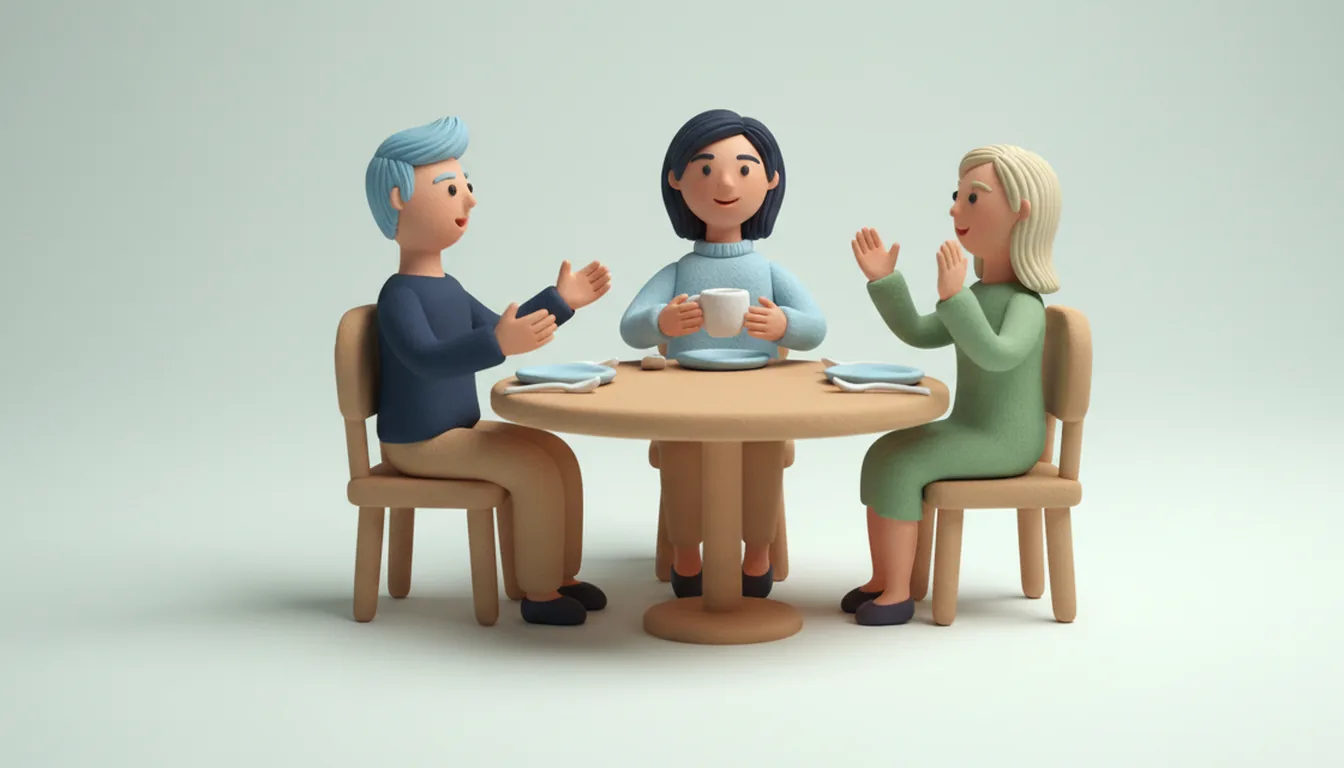
A quiet person is someone who talks less than most people around them, especially in groups. They tend to listen more than they speak, think before they answer and feel fine with a pause in the conversation. Being quiet describes how much a person says, and says little about how much they feel, think or care. Many quiet people have plenty going on inside. They put less of it into words, and later.
An example: at Lucia's birthday dinner, Marco told the story of his lost luggage for the third time that year, waving both hands, and Lucia laughed in all the right places. Ines sat between them with a cup of tea and said maybe twenty words all evening. Near the end, Lucia's partner leaned over and asked her, kindly enough, if she was having a bad night. She wasn't. She was having a lovely night. She had noticed that Lucia kept checking her phone and later found out her sister was in hospital. She was also the one who had booked the restaurant, because she remembered Lucia once saying she missed the food from home.
What makes someone a quiet person?
Quiet people often share a few habits:
- They speak when they have something to add, and stay silent when they don't.
- They listen closely and often remember small details others miss.
- They answer a question after a short pause, once the thought is ready.
- They are more talkative with one or two close friends than with a table of eight.
- They can sit next to someone in silence without feeling the need to fill it.
None of this is a fixed rule. The same person can be quiet at a work lunch and chatty on a long car ride with their sister. For many people, quiet is a setting that changes with the room.
What being quiet does not mean
People often read quiet as something else. A few common mix-ups:
- Quiet is different from shy. A shy person would like to speak and feels held back by worry about how it will land. A quiet person often just doesn't feel the need.
- Quiet doesn't always mean introverted. Many quiet people are introverts, but some extroverts go quiet in a new group or when they're tired. The difference between the two is about energy, and introvert or extrovert explains how to tell which you are.
- Quiet isn't cold or bored. Ines was enjoying every minute of that dinner.
- Quiet isn't the same as awkward. Some people stay silent because talking to strangers feels clumsy, and that is closer to feeling socially awkward. Many quiet people feel perfectly at ease. They simply say less.
There is also the person who watches a party from the edge of the room, often called a wallflower. That is one kind of quiet person, but plenty of quiet people sit right in the middle of the table, like Ines did.
Why some people are quiet
There is rarely one reason. Often it is a mix of these:
- They think first. Some people like to finish a thought in their head before they say it. By the time it's ready, the conversation has sometimes moved on.
- Groups wear them out. Loud rooms and many voices at once can drain some people fast, so they save their energy.
- Small talk doesn't interest them. They would rather have one real conversation than ten about the weather.
- Their family shaped it. Some grew up in a loud house where it was hard to get a word in. Others grew up in a calm one where nobody talked for the sake of it.
- They are new. A lot of people are quiet in a group they don't know yet, and open up once they feel at home.
- They are taking it all in. Watching and listening can be the most interesting part of an evening.
Why am I so quiet?
If you are asking yourself this, someone may have pointed it out, or you may have noticed you said less than everyone else at a dinner. A few honest questions can help:
- Where am I quiet? Everywhere, or only in groups, at work or with new people?
- How do I feel while I'm quiet? Calm and comfortable, or wishing I could join in?
- Am I quiet with the people closest to me? Many quiet people talk freely with one or two people they trust.
- Do I miss out on things I want? A friendship, a raise or a say in plans?
If you feel calm and you have people you talk to easily, being quiet is probably just how you are. If it keeps you from things you want, small steps help. Pick one thing to say in each meeting, ask one question at a dinner, or plan your point before a group call. Knowing your own personality makes this easier. It shows you if quiet is your nature or something that only happens in certain places.
What quiet people bring to a group
Every group needs someone who talks less, even if the squeaky wheel gets more of the attention. Quiet people often:
- listen properly, so others feel heard;
- remember names, birthdays and the thing you mentioned two months ago;
- notice when someone at the table is upset or left out;
- keep a secret when asked;
- calm a tense room just by not adding to the noise.
When a quiet person does speak, people tend to listen, because they know it isn't filler. If you've ever worried that you're the boring one in your group, read that list again.
Quiet in different ways
Not all quiet people are quiet for the same reason. Four of the sixteen types often get called quiet, and each one has its own way of being it. In the order of the types page:
- Harmonizer: quiet and warm. Prefers a cozy evening with a few people to a crowded party, and shows care by making others comfortable.
- Inspector: quiet and exact. Speaks when there's a point to make, says it clearly and doesn't repeat it.
- Strategist: quiet and watchful. Thinks a few steps ahead and often sees where a plan will go wrong before anyone else does.
- Counselor: quiet and kind. Listens closely, picks words with care and would rather hear about your day than talk about theirs.
An outgoing type can also be quiet for a while, on a bad day or in an unfamiliar crowd. That is different from someone whose natural pace is calm.
Why are you so quiet? What to say, and what to ask instead
Many quiet people hear this question often. It is usually meant kindly, but it puts the quiet person on the spot in front of everyone, which makes it even harder to talk.
If you are the quiet one, a light answer works better than a long defense. "I'm just enjoying listening" or "I'm a talker once I warm up" is usually enough.
If you're the one wondering about a quiet friend, try a real question instead. Ask about something they care about, like a book they mentioned or a trip they took. Talk with them one on one, where many quiet people relax. Leave a pause after you ask, and let them fill it.
Find out where your quiet comes from
Being quiet can come from your type, from the room you're in or from both, and knowing your type helps you tell them apart. Answer the free personality test and it describes your type, with its strengths and what tends to be hard for it. If a talkative friend wonders about you, or you about them, send them the link from your result. Their answers then open your relationship type for both of you, with the parts of your friendship that run smoothly and the spots where you tend to clash.
Questions people ask
What do you call a quiet person?
Reserved, soft-spoken, reticent or a person of few words. Casual words include low-key and laid-back.
Is it bad to be a quiet person?
No. Being quiet is a normal way to be, and quiet people often make good listeners and loyal friends. It only becomes a problem if it keeps you from things you want.
What does quiet confidence mean?
Quiet confidence is being sure of yourself without needing to show it. A person with quiet confidence doesn't need to win every argument or be the center of attention.
Can a quiet person become more talkative?
Yes, in the places where they want to. Small habits like preparing one point before a meeting help, and many quiet people get chattier as they come to trust a group.
Written by Virko Kask, founder of Typeza
Written with the help of AI tools.
One question for two, every week
A question to ask your partner, friend or family, and how different types tend to answer it.
Free. Unsubscribe any time.