
Floater friend: what it means, and is it bad to be one?
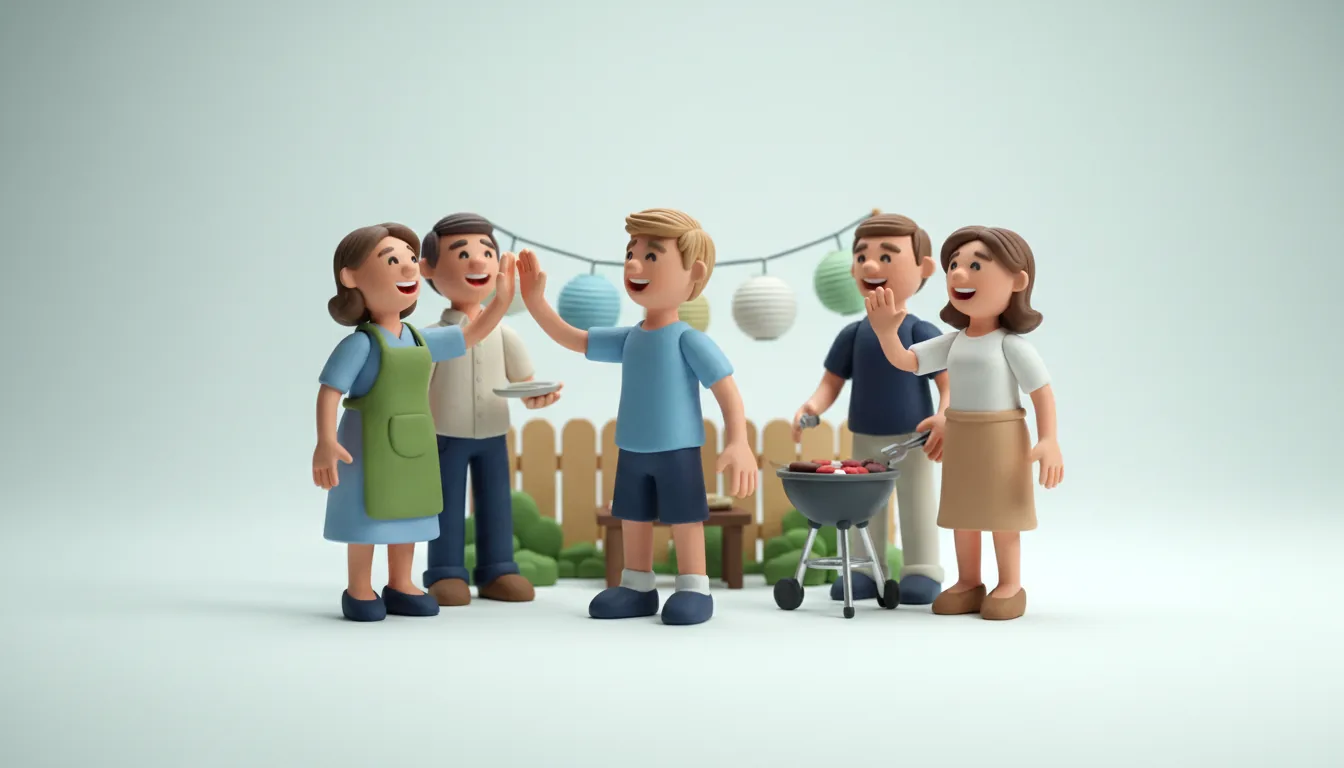
A floater friend is someone who moves between several friend groups without fully belonging to any one of them. They are welcome everywhere, get along with almost everyone and drift from circle to circle. The phrase is playful slang. It can describe a social gift or a quiet kind of loneliness, and often it describes both at once.
An example: Theo has friends everywhere. There is the climbing crowd on Tuesdays, his old university group, the neighbors he plays board games with and two women from his choir. On his last birthday, forty people sent him messages. Nobody organized anything. "Everyone assumed someone else had me," he told his sister.
What is a floater friend?
A floater friend floats. They might sit with one group at lunch, spend Saturday with another and text a third. Each group likes them, but none of them thinks of the floater first when they make plans. They are a guest in many circles and a regular in none.
Some floaters choose this. They like variety and get bored with the same faces every weekend. Others end up floating after a move, a breakup or a change of city, and would happily settle into one group if they found the right one.
Where the phrase comes from
"Social floater" got an Urban Dictionary entry in 2020 and "floater friend" in 2023. The phrase then spread on TikTok, where people post about being "the floater" in their friend group: the one who is invited and liked and somehow never the first call. It sits next to the older phrase social butterfly, with a different mood. A social butterfly loves the crowd. A floater can love it and still feel a little outside it.
Signs you are the floater friend
- You are in four group chats, and none of them is the busiest one on your phone.
- You hear about plans after they have happened.
- People introduce you as "a friend from" somewhere, and the somewhere changes every time.
- You get along with nearly everyone, and few people know about your bad days.
- You often do the inviting, and when you stop, the invitations slow down.
- You show up in many photo albums and rarely in the middle of the picture.
- You switch easily between very different crowds, from your hiking friends to your old classmates.
The good side of floating
Floating has real advantages, and many floaters would not trade them.
- Variety. You get the climbing jokes, the choir gossip and the board game rivalries in one week.
- Less group drama. When a group argues, you are usually far from the middle of it.
- A bridge role. Floaters introduce people from different groups, start new friendships and now and then set up a couple.
- Easy starts. Joining a new group gets easier with practice, which helps after a move.
- Freedom. Nobody expects you every Friday, so you can follow your mood.
The lonely side, and the floater friend effect
The cost shows up in quiet moments. When something goes wrong at two in the morning, a floater may scroll through a long list of contacts and not know whom to call. Birthdays, moves and hard weeks show it most.
Some people call this the floater friend effect: being liked by many people and close to few. Every group assumes another group is looking after you. It is nobody's fault, and it can still hurt.
Floaters can also end up as the third wheel when the closest pairs in a group pull together and the inside jokes go over their head.
Why some people float, and others stay in one circle
Personality plays a part. A friend group is a set of pairs, and every pair has its own relationship type. How friend groups work explains why some groups click at once and others never quite do. A floater may be someone who has not yet found a group whose pairs suit them. Or they may be someone whose type enjoys many light connections more than one tight circle.
In Typeza, some types tend to float and others tend to settle. Here are six, in the same order as on the types page:
- Ideator: follows their curiosity from crowd to crowd and collects people the way others collect books.
- Diplomat: goes where the energy is tonight and feels at home in almost any room.
- Guardian: takes time to trust, then stays. One small, loyal circle suits them better than ten loose ones.
- Organizer: turns up for the same people week after week and builds friendships through steady help.
- Encourager: loves connecting people from different worlds and often introduces friends who would never have met otherwise.
- Craftsman: keeps a few old friends and a shared project, and sees little reason to look for more.
Any type can float for a while after a move or a big change.
How to stop being a floater friend, if you want to
You do not have to stop. If you would like a closer circle, a few steps help:
- Pick one or two people. Choose friends you already enjoy and spend more one-to-one time with them.
- Make it regular. A standing Thursday walk or a monthly dinner turns a pleasant friendship into a close one.
- Share something real. Closeness grows when you tell people about the hard week as well as the funny story.
- Ask for help. Floaters often give more than they ask. Let someone help you carry a sofa or drive you to the airport.
- Host. Invite people from two of your groups at once. Sometimes the circle you are looking for is one you build yourself.
- Notice who feels easy. With some people the hours fly and you go home rested. Those friendships are the ones to grow.
If there is a floater in your group
Floaters notice small signals. Add them to the main group chat, ask them in at the planning stage as well as on the night, and remember their birthday. One friend who says "you are one of us" can change how a floater feels about the whole group. In the types of friends most people have, the floater is often the one who keeps the wider web of friendships connected, and that is worth thanking them for.
Which of your friendships run deepest?
Theo did not need forty more friends. He needed to know which three or four were his people, and relationship types can help with that. The free friendship compatibility test is a good first step. It types you first, through 41 choices between two statements, and your own type appears the moment you finish. After that, invite friends from each of your groups through your result page, which takes a free account. Each friend answers about themselves, and each makes a free account when they finish so the pairing is kept. For every friend who completes it, you learn your relationship type, one of 16, and how it feels from each side. A floater with friends in five circles may find that their easiest friendships are spread across all five.
Questions people ask
Is being a floater friend bad?
No. It is one way of having friends, with good and hard sides. It becomes a problem only when you feel lonely and wish someone thought of you first.
What does floater friend mean?
It means someone who moves between different friend groups and is welcome in each without being a core member of any. The term is internet slang and is usually said in a light, friendly way.
What is the floater friend effect?
It is the feeling of being liked by many people and close to few. Because you are part of several groups, each one assumes someone else is looking out for you.
Is a floater friend the same as a social butterfly?
They overlap. A social butterfly enjoys being in the middle of the crowd. A floater moves between crowds and may or may not enjoy it. Many floaters are quiet in each group they visit.
Can a floater friend have a best friend?
Yes. Many floaters have one or two close friends outside any group. Floating is about groups, and a strong one-to-one friendship can sit right next to it.
Sources
- Jordana Comiter, "It's Natural To Become A 'Floater Friend' As You Age", Women's Health (2024). The Urban Dictionary entries from 2020 and 2023, the spread on TikTok, and a therapist's definition: many friends, no core group.
Written by Virko Kask, founder of Typeza
Written with the help of AI tools.
One question for two, every week
A question to ask your partner, friend or family, and how different types tend to answer it.
Free. Unsubscribe any time.