
Mother and son relationship: what is normal when the son is an adult
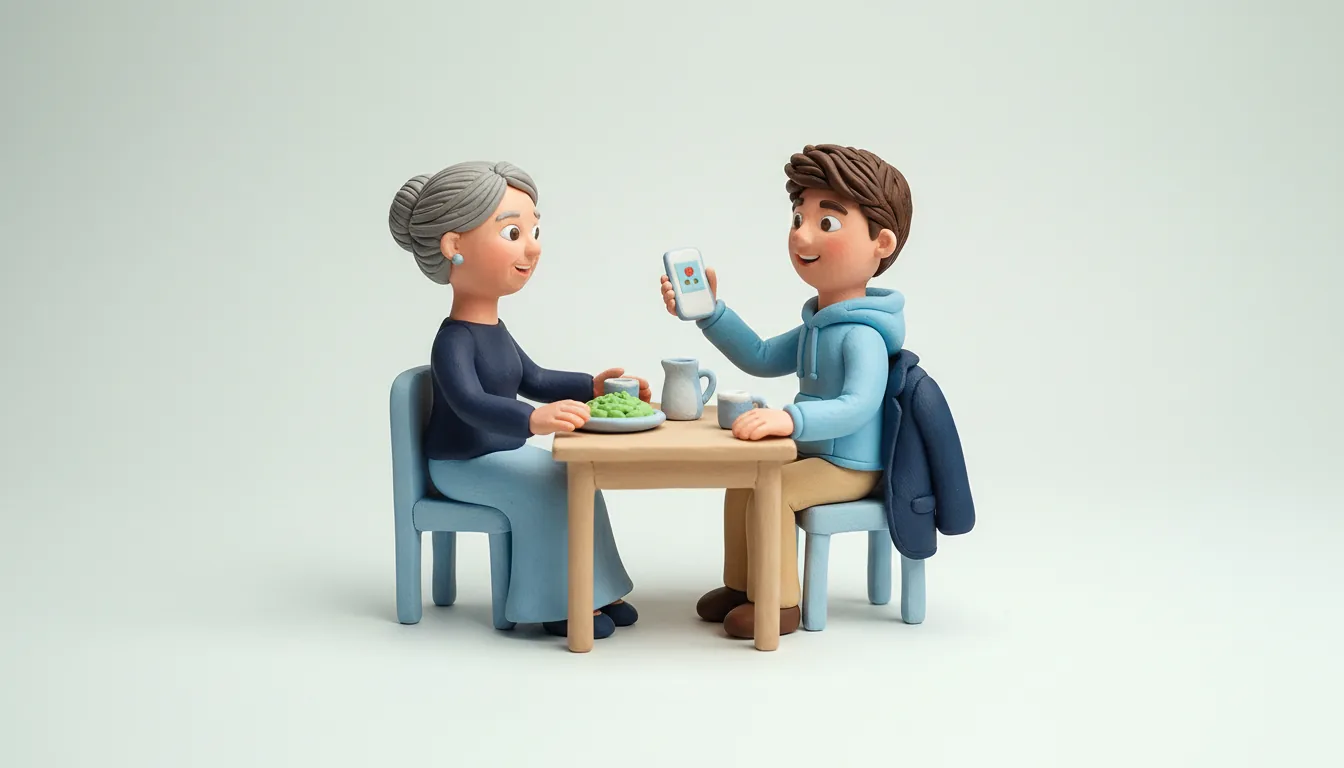
A mother and son relationship begins with a mom looking after a small boy. Once he is grown, the two of them are adults with lives of their own. A healthy one has warmth, contact that suits both of them and respect for the life he has built. She is no longer in charge, and she is still someone he can turn to.
An example: every Sunday at six the phone rings. His mother asks if he is eating well, how work is going and when he will come home. He is 34, with a flat, a job and a partner, and he answers in short words like a teenager. After the call she wonders what she said wrong, and he feels twelve again. They love each other, and the call still goes the same way every week.
What is a healthy mother and son relationship?
A healthy mother and son relationship is one where both people are glad to be in touch and neither feels managed. The mother cares about his life and lets him run it. The son shares parts of his life by choice. They can disagree about something big and still talk the next week.
It looks different in every family. Some mothers and sons talk every day, and some speak once a month and are just as close.
What does a normal mother and adult son relationship look like?
There is no single normal. Still, good mom and son relationships often share a few signs.
- He calls or visits because he wants to, and she does not keep count.
- She asks about his life and lets him decide how much to tell.
- His partner is welcome in her home and is treated as part of the family.
- A disagreement about money, a job or a move does not end in weeks of silence.
- He sees her as a person with her own friends, plans and worries, beyond being his mother.
Some signs point to strain. Calls happen out of guilt. She still makes his decisions or expects him to report in. He hides news because he dreads her reaction. Every visit ends in the same argument, or she and his partner compete for his time. These happen in loving families too, and they tend to repeat.
How does the mother to son relationship change as he grows up?
The mother to son relationship goes through a few big turns in adult life.
Leaving home. For eighteen years she knew where he was and what he ate. Then she knows much less, and if he is her only child, the house goes quiet all at once. Some sons pull away for a few years to show they can manage alone, and come back closer later.
A partner. When he has a partner, his first loyalty moves. A mother who accepts this usually gains a new member of the family. A mother who fights it often grows more distant from her son.
Her getting older. Later the roles turn. He may help with her health, her paperwork and her home. The son who was looked after now does some of the looking after. That can bring them closer, and it can also wake up old patterns, like her pride and his impatience.
Why do mothers and adult sons argue?
Fights between mothers and sons often come back to a few themes.
- Advice he did not ask for, about his job, his money, his weight or his partner.
- Different ideas of enough contact. One call a week feels like plenty to him and like very little to her.
- Old roles. She still sees the boy, and he still reacts like one.
- His partner. Holidays, visits and who comes first can turn into a quiet contest.
One more reason sits inside the pair itself, and it explains why one son can be easy and another hard.
Why can a mother get on with one son and not another?
Typeza takes its types from socionics, which lists 16 of them. Every type is at home with some kinds of information, for example feelings, logic, comfort or the long view, and out of its depth with others. A mother and a son, like any pair, have one of 16 relationship types. The relationship type belongs to the pair. A mother has a different one with each of her children, because each child is a different person.
Take a Vitalizer mother with two grown sons. She is warm and lively, fills the house with people and shows every feeling on her face. Both sons are quiet and bookish, and from the outside they look alike.
Her son the Analyst relaxes around her. Her warmth makes the room easy for him, and his calm logic settles her when she is upset. This is Duality, where two people give each other what they need most. It is the best fit there is for a partner or a close friend, and in a family it makes for visits that always end too soon.
Her son the Strategist finds the same warmth tiring. When she asks how he feels, he goes quiet. When he goes quiet, she asks again, louder. He thinks before he speaks and needs calm to do it, and her open way of caring lands on the place he finds hardest. This is Conflict, often interesting from a distance and hard up close. He loves her as much as his brother does. He needs more space to show it.
So when a mother says one son is easy and the other is hard, it rarely means one loves her more. They are two different pairs.
How personality types shape a mom and son relationship
Three more patterns show up often.
The mother who wants to give more
A Harmonizer mother shows love through comfort. She sends him home with food, notices that his flat has no plants and buys him a warm blanket. Her son the Counselor is grateful, and he also wants more room than she does. In this pair she is the Supplier, who wants to help and to be close, and he is the Orderer, who gets help he never asked for. It goes better when she gives a little less often and he says thank you a little more often.
The mother whose advice always stings
An Inspector mother sees how things should be done. She asks if he read the contract, why he did it that way and whether it all makes sense. Her son the Diplomat acts on instinct and reads people well, and logic and rules are where he feels least sure. Her questions land right on that spot. She is his Supervisor: she sees a weak spot clearly, and naming it hurts more than she means it to. He is her Supervisee. This pair gets on much better at a distance, with shorter visits and fewer questions about how he runs his life.
The son who is just like her
Now and then a son shares his mother's type, and relatives say he is his mother's son, the apple that fell right by the tree. They understand each other without words. They also share every blind spot, so when both are stuck on the same kind of problem, neither can help the other. This is Identity: deep understanding, and little help where you are both weak.
How to improve the relationship between a mother and her adult son
For mothers:
- Ask questions, and hold back the advice unless he asks for it.
- Let his partner fully into the family. A son who has to choose sides rarely chooses his mother.
- Agree on a rhythm of contact that suits both of you, so nobody has to keep count.
- Use a date like National Sons Day to tell him one thing you admire in the man he is now.
- If writing it down is easier, mother and son quotes has lines you can borrow.
For sons:
- Call before she has to call you.
- Share one real thing about your life, beyond "work is fine".
- When she gives advice, hear the care inside it, even if you do not follow it.
- Notice when the old roles come back, and answer as the adult you are now.
- Ask her opinion on something that matters to you, since a lot of making your mom happy as an adult comes down to letting her feel needed.
How to see the relationship type you share
Which of these pairs a mother and son are in is not visible at a Sunday lunch. The free family compatibility test gives you a link at the end, so either of you can invite the other. Typeza is for people 16 and older, so both of you need to be at least 16. When the second one finishes, mother and son can read their relationship type, what is easy between them and where they tend to get each other wrong. Family dynamics steps back to the whole family and the roles people take in it.
Questions people ask
What is a normal relationship between a mother and her adult son?
It is warm, the contact suits both of them, and the son runs his own life.
How often should an adult son call his mother?
There is no right number. The best rhythm is one you agree on together, so she is not left waiting and he does not call out of guilt.
Why does my mother treat me like a child?
For many years she was in charge of your safety, and that habit is hard to drop. It often eases when you act as an equal, share your plans before she has to ask and tell her plainly what kind of help you want.
Why does my mother get on better with my brother?
Each child forms a different pair with the same parent. Because the relationship type comes from both personalities, a mother can have an easy one with one son and a hard one with another, and love them equally.
Written by Virko Kask, founder of Typeza
Written with the help of AI tools.
One question for two, every week
A question to ask your partner, friend or family, and how different types tend to answer it.
Free. Unsubscribe any time.