
Oldest daughter syndrome: the stereotype, and eldest daughters as adults
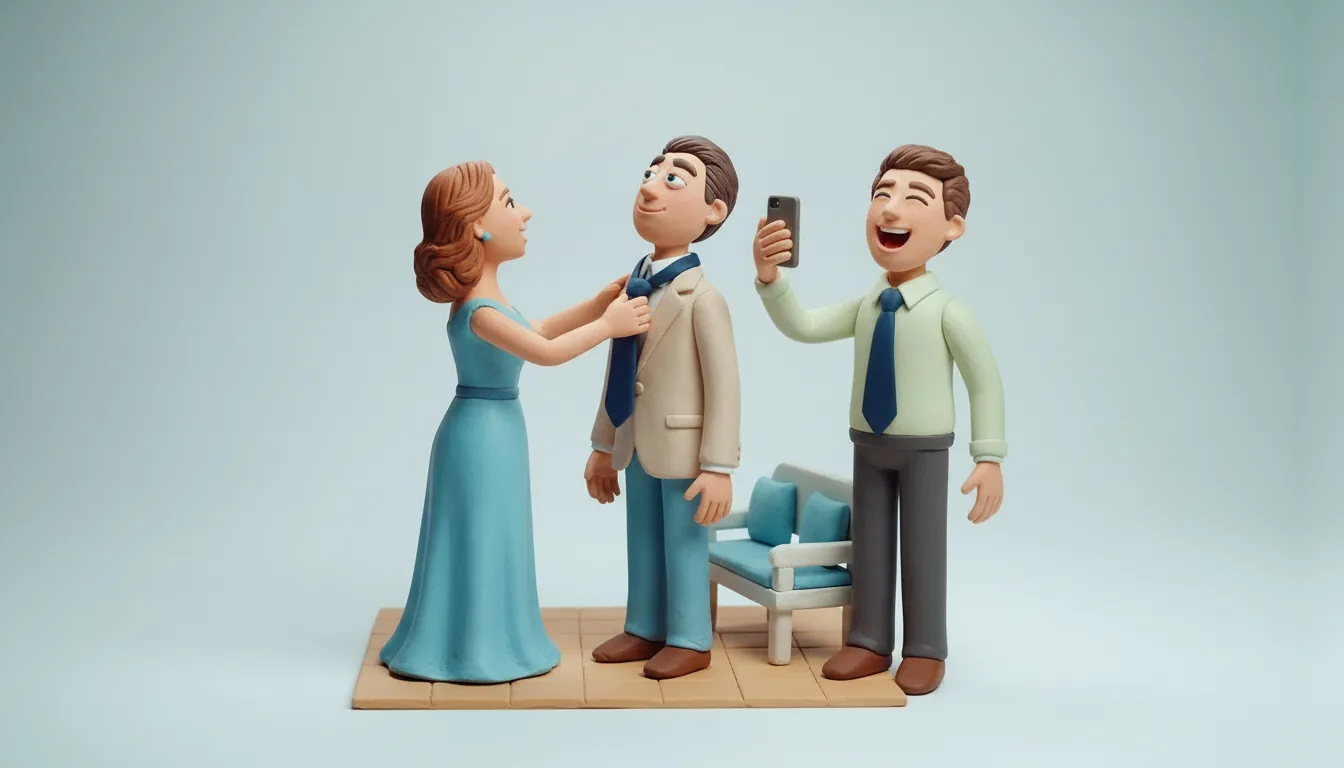
Oldest daughter syndrome is a popular, informal name for the idea that the first daughter in a family grows up as a kind of second parent. She is pictured as responsible, organized, hard on herself and quick to look after everyone else. It is a label people use with a laugh, and sometimes with a sigh, and it is not a medical diagnosis.
An example: when the boiler breaks at her parents' house, Clara's mother calls Clara. She does not call Clara's two brothers, who live ten minutes away. When her youngest brother needs help with a deposit, he calls Clara too. At Christmas she brings the turkey, the seating plan and a bag of spare chargers. Clara is 41. Her friends call all this oldest daughter syndrome, and Clara laughs and says, "Well, someone has to."
What people mean by oldest daughter syndrome
When someone says they have oldest daughter syndrome, they often mean a mix of pride and tiredness. They are proud to be the one the family relies on, and tired because they never quite get to put that job down.
The phrase spread on social media, helped by a viral TikTok video in which a family therapist listed its "symptoms." Eldest daughters swap stories there about packing everyone's lunches at twelve, translating forms for their parents or remembering every cousin's birthday. Many of them say the same thing: they did not choose the role. It came with the seat.
You will see it called eldest daughter syndrome too. The idea is the same.
How the oldest girl ends up with the job
Every oldest child is the first one through the door. Parents are new at the job, and they often lean on the first child as soon as a second one arrives. "Watch your brother for a minute" can turn into years.
In many families the caring jobs land on the oldest girl in particular, often without anyone deciding it out loud. Psychologists point to old ideas about a woman's role in the home. She gets asked to help with the baby, to set the table, to notice when her mother is upset. An oldest son in the same family may be asked to mow the lawn and left alone after that.
There is also the matter of being the example. The first child is told to behave because the younger ones are watching. Some eldest daughters still feel that eye on them at forty.
Eldest daughter traits people recognize
These traits come up again and again when eldest daughters describe themselves.
- Responsible. If something needs doing, she assumes it is hers to do.
- Organized. She keeps the family calendar in her head, or on a shared one she set up.
- The fixer. Siblings call her when things go wrong, and parents call her first.
- Hard on herself. Mistakes feel bigger to her than they do to others.
- Slow to ask for help. Being the helper is familiar, and being helped can feel strange.
- Protective. She still steps in if someone is unkind to her younger siblings, even when they are adults.
- A good listener. Many eldest daughters became the family's sounding board early on.
Some of these are strengths anyone would want. The trouble comes when they never switch off.
Oldest daughter, oldest son, oldest sibling
Oldest sons get their own version, sometimes called oldest child syndrome or eldest son syndrome. The picture there tends to be about duty and achievement: the son who has to succeed, carry on the family business or set the standard.
The daughter version leans more toward caring and running the home. That is a pattern in many families, not a rule. Plenty of oldest sons cook for everyone and call their mother daily, and plenty of oldest daughters were left free to chase their own plans.
If you are the oldest sibling of any kind, you may recognize parts of both pictures. Being first carries weight whatever your gender.
The eldest daughter as an adult
Childhood roles tend to follow people into their thirties and forties. For many adult eldest daughters, the role shows up in a few familiar places.
- With aging parents. She is often the one at the doctor's appointments, keeping track of the pills and the paperwork, even when siblings live closer.
- At family gatherings. She plans, hosts or at least checks that someone has.
- In friendships. Friends often describe her as the "mom of the group", the one with bandages and snacks in her bag.
- In a couple. She can find it hard to let a partner take over a task, because doing it herself is faster and more familiar.
- At rest. Some eldest daughters say a free afternoon makes them restless, as if they have forgotten something.
The good news is that a role learned at ten can be changed at forty. The family may adjust faster than she expects.
Two oldest daughters, two different women
The role comes from the family. The personality underneath comes from the person. Typeza counts 16 personality types, and any of them can turn up in an oldest daughter. Birth order does not hand out types, which is something birth order theory tends to leave out.
Here are four eldest daughters who all carry the role, each in her own way:
- Vitalizer: she keeps the family together through parties, phone calls and big Sunday dinners. Her care is loud and warm, and she gets hurt when nobody notices the effort.
- Analyst: she handles the family's problems by reading every document. She is the one who understands the mortgage, the insurance and the medical forms, and she would rather do that than talk about feelings.
- Organizer: she shows love by doing. She fixes the leaking tap, drives her father to his appointments and has the dishes done before dessert, and she rarely stops to rest.
- Counselor: she is the one everyone confides in. She hears each sibling's side, keeps the peace and often carries more of the family's worries than anyone knows.
All four fit the stereotype on paper. Each one finds a different part of it easy and a different part heavy. A Counselor may love being the listener and hate the paperwork. An Analyst may be happy with the paperwork and drained by the emotional calls.
The same holds between her and her siblings. Whether an oldest sister and her younger brother feel close depends a lot on the two personalities. Types of sibling relationships shows how that plays out, and the mother and daughter relationship looks at the other tie that shapes many eldest daughters.
Setting some of the load down
If the role feels heavy, small changes help more than big speeches.
- Hand over one job. Pick one task, like the birthday reminders, and give it to a sibling. Let them do it their own way.
- Wait before you offer. When a problem comes up in the family chat, count to a hundred before you jump in. Someone else may step up.
- Say what you need. Siblings often have no idea how much you do. Tell them plainly.
- Keep one thing for yourself. A class, a trip or a standing evening with friends that the family cannot claim.
- Let it be imperfect. If your brother hosts Christmas and the potatoes are cold, the family will survive.
In the example, Clara could start with the first one and ask her middle brother to handle their parents' car insurance. He may take three weeks longer than she would. It still gets done.
Find out how you fit with the family you look after
You may know your role by heart and still not know how your personality meets your siblings' and your parents'. Taking the free family compatibility test shows your type as soon as you finish, with no sign-up for that part. A free account lets you invite a sibling or a parent from your result. Everyone taking part needs to be 16 or older. When they have answered too, your shared relationship type shows up, with what it tends to be like on both sides.
Questions people ask
Is oldest daughter syndrome a diagnosis?
No. Psychologists call it a colloquial or cultural term, and it is not in the diagnostic manuals. It names a pattern many eldest daughters recognize, and plenty of eldest daughters do not fit it at all.
Why do eldest daughters feel responsible for everyone?
Often because they were given caring jobs early, like watching younger siblings, and the habit stayed. As adults, many still feel the family's problems are theirs to fix.
Sources
- Cleveland Clinic, "Is 'Eldest Daughter Syndrome' Real?" (October 17, 2024). Not an official diagnosis, a colloquial term; the link to caring tasks long assigned to women.
- Northeastern Global News, "What is eldest daughter syndrome? Is it a real condition?" (April 24, 2024). The viral TikTok video that listed its "symptoms," and the real load many eldest daughters carry.
Written by Virko Kask, founder of Typeza
Written with the help of AI tools.
One question for two, every week
A question to ask your partner, friend or family, and how different types tend to answer it.
Free. Unsubscribe any time.