
Youngest child syndrome: traits, stereotypes, and the youngest as an adult
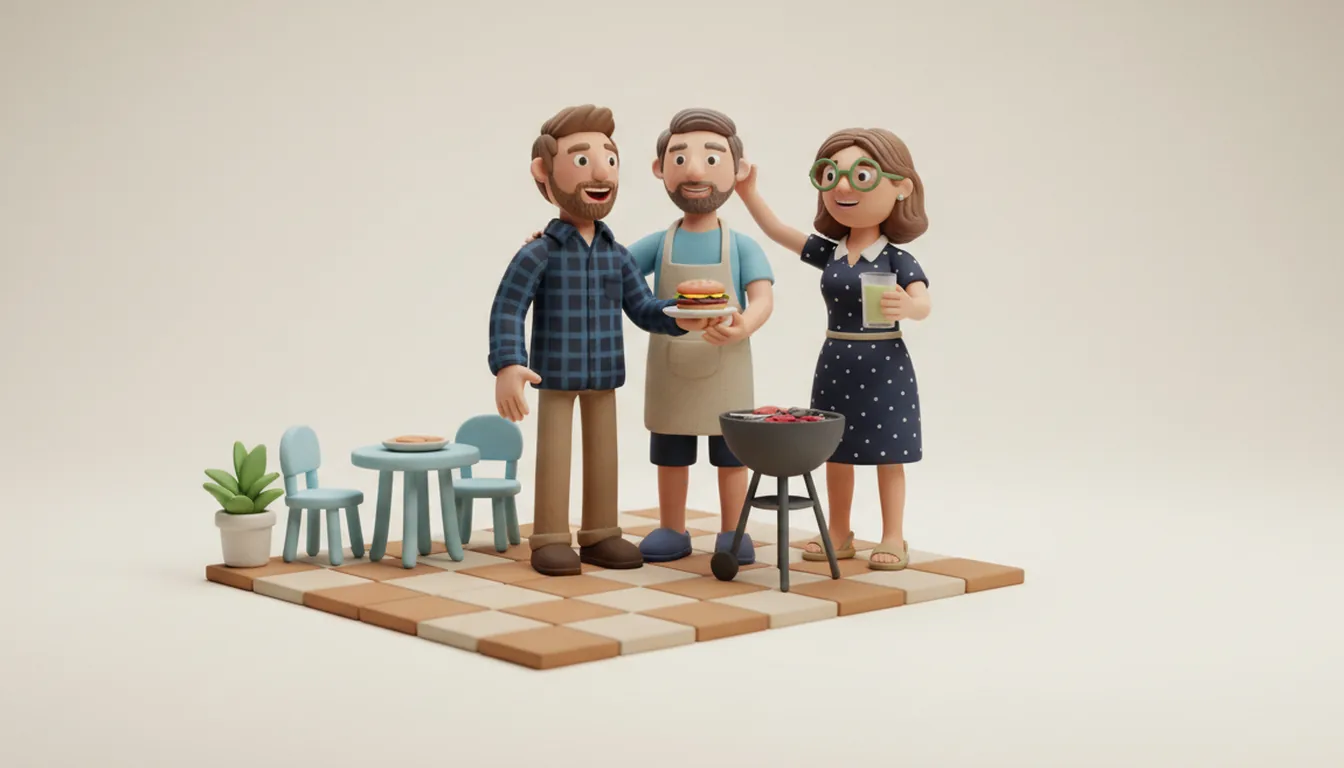
Youngest child syndrome is the popular idea that the last-born child in a family grows up charming, carefree, a little spoiled and used to being looked after. It's a stereotype with a catchy name, and it has nothing to do with medicine.
An example: Ben is 31. He works night shifts as a nurse, pays a mortgage and once kept a man alive in a parking lot until the ambulance came. At his sister's fortieth birthday, his mother asked twice whether he had eaten. His brother explained, slowly, how to fill in a tax form. When Ben mentioned that he had been made head of his ward, his sister pinched his cheek and said, "Look at our baby, all grown up." Everyone laughed, Ben included. On the drive home he wondered if they would still say it when he was fifty.
What is youngest child syndrome?
People use the phrase to describe the baby of the family who never quite stops being the baby. In the joke version, the youngest gets away with everything, avoids chores and expects someone else to sort things out. In the kinder version, they are the fun one, easy to love and good at making people laugh.
People often say it with a smile, sometimes about themselves. "Sorry, youngest child syndrome," someone says as their older sister pays for lunch again.
The baby of the family: where the picture comes from
The last child arrives in a family that has already done all of this before. Parents are often more relaxed by then, and sometimes more tired. Rules that were strict for the first child have softened. Bedtimes slip.
The youngest also has a crowd of helpers. Older siblings tie shoes, explain jokes, hand down clothes and sometimes fight their battles at school. That help can be lovely. It can also mean the youngest learns that someone else will step in.
There is one more piece. The youngest is often the last child at home, sometimes with parents who have more time and money than they did years earlier.
Research gives the picture less support than family jokes do. A 2015 study of about 20,000 adults in the US, Britain and Germany found no birth order effect on traits such as extraversion or emotional stability. The role a family hands the youngest is real. The traits are mostly not.
Youngest child traits, the flattering and the less flattering
When people talk about the youngest, two lists tend to come out.
The flattering one:
- Charming. They learned early that a smile and a joke get results.
- Funny. The youngest is often cast as the family entertainer.
- Easygoing. They are used to fitting into plans made by others.
- Brave about new things. With older siblings to watch first, trying something new feels less scary.
- Good with people. Years of keeping up with older kids make them socially quick.
The less flattering one:
- Spoiled. They got the things the older ones had to fight for.
- Used to rescue. Someone always handled the hard part.
- Attention-seeking. In a busy house, being loud was one way to be noticed.
- Not taken seriously. Their ideas get brushed off as cute.
Many youngest children see themselves in both lists. Many see themselves in neither.
Youngest sibling stereotypes that often miss
The picture of the carefree baby is easy to recognize, and plenty of real youngest children do not fit it.
Some youngest children are the most serious people in the family. Some were the ones who stayed home longest and ended up caring for their parents. And some were never spoiled at all, because the family's money or patience had run out by the time they arrived.
The "never takes anything seriously" label also sticks long after it stops being true. A youngest sibling can run a company, raise three kids and still be treated like the twelve-year-old at the table. That gap can be what bothers adult youngest children most.
A big age gap, or a big family, changes the picture
Not every youngest child grows up in the same spot. The youngest of two has one older sibling to copy or push against. The youngest of five may have been raised partly by siblings, with a mother who was already busy with teenagers.
Age gaps matter too. A youngest child who came eight years after the others may grow up a lot like an only child, with a quiet house and parents to themselves. Gender adds its own twist. A youngest sister with three older brothers often has a different childhood from a youngest brother with three older sisters, and both hear about it at every family gathering.
When the youngest grows up
Childhood places in the family have a way of lasting. For some adult youngest children, a few patterns come up.
- Still the baby. Older siblings give advice nobody asked for, and parents worry a little more.
- The one who stays close. In some families, the youngest lives nearest to the parents and helps most as they age.
- The family's bridge. Being friendly with everyone, the youngest often keeps siblings in touch with each other.
- A changed tie with the oldest. An oldest sister and youngest brother who were almost parent and child can become close friends once both are adults.
The youngest may have to prove they have grown up, sometimes for years. Sometimes one moment, like handling a family crisis calmly, is enough for the others to see it.
Same seat at the table, four different people
The family gives the youngest a role. The personality underneath is their own. Typeza describes 16 personality types, and a last-born can land on any one of them. A child's type does not come from birth order, and birth order theory covers the rest of the family places.
Here are four youngest children, each living the role differently:
- Harmonizer: easygoing and fond of comfort, they fit the relaxed baby picture well. They keep family gatherings pleasant, and sometimes let the older ones decide too much.
- Diplomat: bold and quick to grab a chance, they are the charming risk-taker of the stereotype, and can talk their way out of almost anything.
- Strategist: serious and careful, they read the fine print and warn everyone about the problem coming next year. Nobody who meets them would guess they are the baby.
- Entrepreneur: driven from the start to catch up with the older ones, they often end up the busiest and most ambitious person in the family.
Two of these four match the stereotype, and two break it. The same four types can show up in a middle child or an only child too.
How to be seen as an adult by your older siblings
If you are the youngest and tired of being the baby, a few things help.
- Take on one family job. Host a holiday, handle a parent's appointment, or plan the next reunion. Doing it once changes how people see you.
- Say no to the old role. When a sibling steps in to fix something you can fix, thank them and say you have it.
- Share your adult life. Older siblings often know little about your work or friends. Tell them.
- Laugh at the jokes, and set a limit. "Our baby" at a birthday is fine. Being talked over in a real family decision is not.
- Spend time one to one. A coffee with one sibling, away from the full table, lets the old ranks fade.
Ben tried the first one. When his father needed surgery, Ben was the one who spoke to the doctors and explained it to everyone else. His sister has not pinched his cheek since.
Check how you really fit with your older siblings
Your personality type tells a different story than your birth order. Start the free family compatibility test. You pick the statement that fits you better, pair after pair, and your type appears at the end without an account. To bring in a sibling or a parent, sign up for free and share the invite link from your result. Anyone who takes part has to be at least 16. Once they finish, you each see your relationship type, and what it's usually like from your side and from theirs.
Questions people ask
What is youngest child syndrome?
A joking label for the baby of the family who never quite stops being the baby. It isn't a medical term, and many youngest children do not fit it.
What are youngest child traits?
People often describe the youngest as charming, funny, easygoing and brave about new things. The less kind list adds spoiled, attention-seeking and used to being rescued.
Do youngest children get away with more?
In some families they do, a little, because parents may be calmer with their last child. In others, the youngest gets more rules, because parents and older siblings all watch them.
What is the youngest child like as an adult?
As varied as anyone else, since birth order says little about adult personality. Some still feel treated like the baby, and some end up being the sibling who helps aging parents the most.
Sources
- Rohrer, Egloff and Schmukle, "Examining the effects of birth order on personality", PNAS, 2015: about 20,000 adults in three countries, no birth order effect on broad personality traits outside intellect.
Written by Virko Kask, founder of Typeza
Written with the help of AI tools.
One question for two, every week
A question to ask your partner, friend or family, and how different types tend to answer it.
Free. Unsubscribe any time.