
How to be a better listener, and why some people feel heard by you
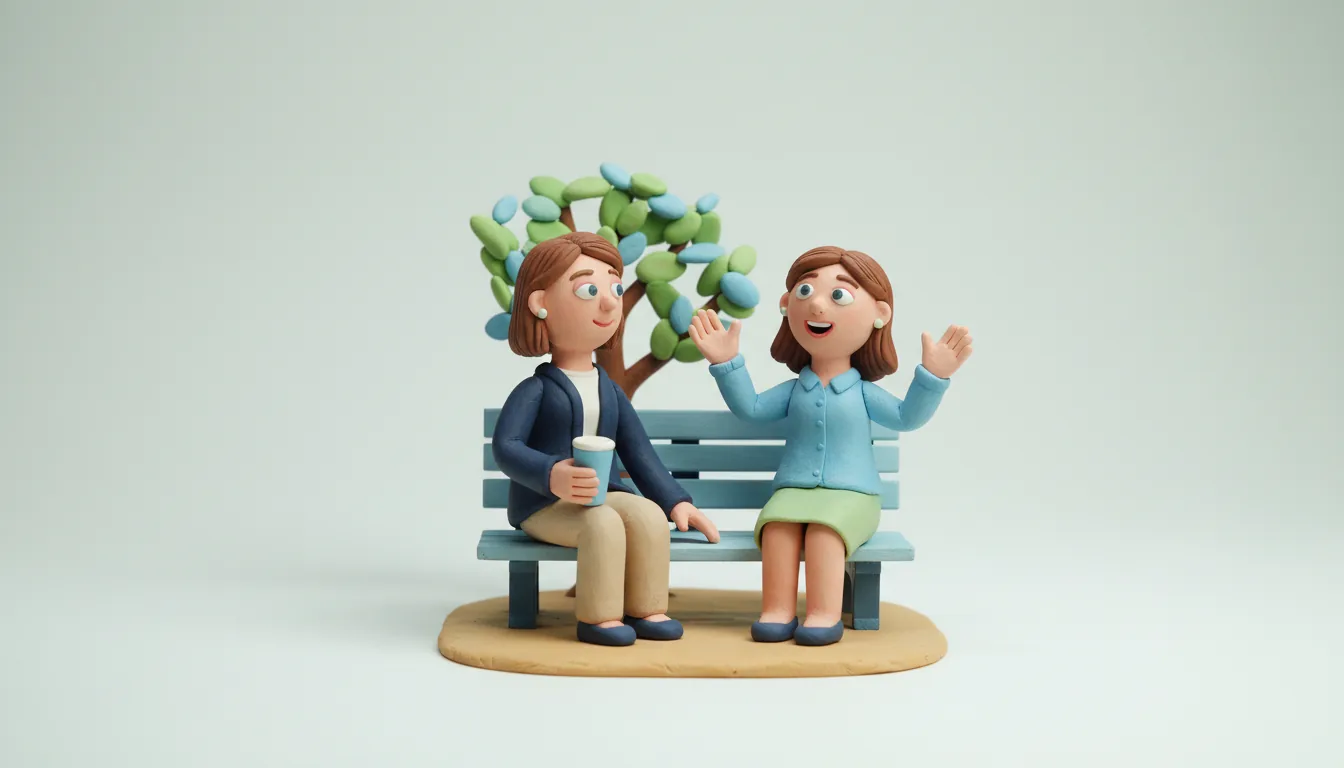
Being a good listener is less about staying quiet and more about the other person walking away feeling understood. It can be learned.
An example: two friends hear the same story over dinner. A colleague took credit for her work. The first friend nods, asks what happened next and lets her finish. The second friend says "you should go straight to your manager" before the story is over. Both mean well. She leaves feeling that one of them heard her and the other one did not.
What does it mean to be a good listener?
A good listener pays full attention, lets the other person finish and tries to understand what they mean as well as what they say. They ask questions that help the speaker go further, and they do not turn the talk back to themselves.
Being a good listener does not mean agreeing with everything. You can listen well and still disagree later. It means the other person gets to be heard first. Good listening uses your eyes too, and reading body language helps you catch what a friend's words leave out.
Listening feels passive, so it is easy to believe you are doing it while your mind is busy planning an answer.
Signs you could be a better listener
- You often know what you will say before the other person finishes.
- You finish people's sentences for them.
- You reply to a problem with a story about yourself.
- You give advice nobody asked for.
- You check your phone while someone is talking.
- People repeat themselves to you.
- You remember the facts of a talk and miss how the person felt.
Two or three of these are common, even in people who care a lot. They are habits, and habits can change.
How to become a better listener
- Put the phone away. Face down still pulls your eyes. Put it in a pocket or another room.
- Let them finish. Wait a beat after they stop. Sometimes the most important part comes after a short pause.
- Ask one more question. "What happened then?" or "How did that feel?" tells them you want more.
- Say back what you heard. "So the worst part was that nobody noticed" shows you followed. If you got it wrong, they will correct you, and that helps too.
- Ask what they need. "Do you want ideas, or do you want to vent?" saves a lot of wasted advice.
- Notice what is not said. Tone, pauses and a change of subject often carry the real message.
- Keep your story for later. A similar story can help, but only after they feel heard. If you tend to have the next story ready, people who talk too much has ways to talk a little less.
People sometimes call this active listening. The name matters less than the habit: full attention, a few good questions and no rush to answer.
What to say when you are listening
Short replies keep someone talking without taking over:
- "Tell me more."
- "That sounds hard."
- "What did you do?"
- "I didn't know that."
- "What are you thinking of doing?"
What to avoid: "At least...", "You should just...", "That happened to me too" said too early, and "Calm down".
How to be a better listener in a relationship
Listening to a partner is harder than listening to a friend, because you are part of the story. When your partner complains about the dishes, it is easy to hear an attack and start defending yourself.
These habits help:
- Listen to the end before you answer, even when you disagree.
- Repeat the main point before giving your side.
- Pick the right time. A talk at midnight after a long day rarely goes well.
- Ask about their day with real questions, like "What was the best part?" instead of "How was work?"
- Remember what they told you. Asking how the dentist went shows you were listening last week.
Communication styles in relationships explains what to do when your ways of talking clash, and what do couples argue about looks at fights that repeat.
Why do some people feel heard by you and others do not?
Each personality type listens for something different. One listens for feelings, another for the problem to solve, another for what is right and fair. In Typeza, which uses socionics, every pair of types also forms one of 16 relationship types, and that shapes whether your natural way of listening is what the other person needs. Four pairs show how it plays out.
When you listen to the same things and hear them differently
A Counselor and an Encourager both care about people and can talk for hours about friends and family. When the Encourager is upset, the Counselor listens quietly and picks up every feeling. When the Counselor is upset, the Encourager listens for a minute and then sees five new ways forward. They are in Mirror, two people who value the same things and come at them from opposite ends. Each one learns from the other's angle. The Counselor sometimes wishes for less brainstorming, and the Encourager sometimes wishes for a little more of it.
When they listen for the problem and you wanted them to hear you
A Mentor tells her husband, an Entrepreneur, about a hard week. She tells it with feeling, as a story. He listens closely, then says "here is what I would do", with three clear steps. He is trying to help, and his plan is good. She wanted him to say it sounded awful. They are a Business pair, good at working side by side, and their talks tend to stay practical. A simple question first, "Do you want a plan or a hug?", changes these evenings.
When they hear your words and miss what you meant
A Harmonizer and her friend, a Guardian, use the same words and still talk past each other. When the Harmonizer says her sister "was a bit much at dinner", she means she wants a calm evening next time. The Guardian hears a complaint about how her sister treats people and starts judging the sister. The Harmonizer feels misunderstood and a little guilty. Typeza calls this Quasi-identity: the words match and the meaning does not. Asking "what do you mean by that?" sounds simple and helps more than anything else here.
When you understand every word and nobody moves forward
Two Analysts have been friends since university. They can follow each other's longest arguments without effort and finish each other's theories. When one of them is hurt by a breakup, though, the other listens carefully and then offers a clear model of why relationships end. It is accurate, and it does not help. Being the same type makes them an Identity pair, strong in the same places and weak in the same one. Both find feelings hard to talk about, so neither can offer what is missing. Friends of other types fill that gap.
People most often feel heard without trying in Duality. Each one listens for the very thing the other finds hard to say. It can seem quiet at first, and it shows only once two people are close.
Nobody becomes a good or bad listener because of a relationship type. It only marks where listening comes easily between two people and where it takes effort.
How to see how you two listen to each other
The friend at dinner who jumped to a plan meant well. They were listening for a problem to solve. What each of you listens for depends a lot on your relationship type, which nobody can spot by looking at you. Take the free compatibility test and invite your partner from your result. The same link works for a friend too. As soon as you have both finished, you see the relationship type you two make, and you can read its full description for free.
Questions people ask
What makes a good listener?
Full attention, patience and curiosity. A good listener lets you finish, asks questions that help you go further and checks that they understood before they answer.
Can you learn to be a good listener?
Yes. Listening is a set of habits. Small changes, like waiting a beat before you answer, are easy to practise.
How do you listen without giving advice?
Ask "Do you want ideas, or do you just want to talk?" before you offer any. If they want to talk, keep to questions and short replies like "that sounds hard" until they ask for more.
What is another word for a good listener?
Attentive and all ears are the everyday ones. People also call a good listener a sounding board, or a shoulder to lean on when things are hard.
Written by Virko Kask, founder of Typeza
Written with the help of AI tools.
One question for two, every week
A question to ask your partner, friend or family, and how different types tend to answer it.
Free. Unsubscribe any time.